When you click the link, it will take you to the corresponding page.
GohGan おまかせコース
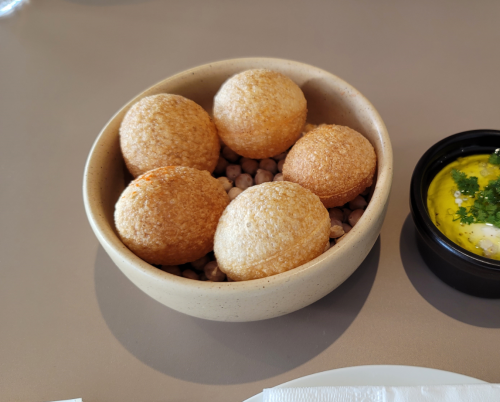
パニプリ
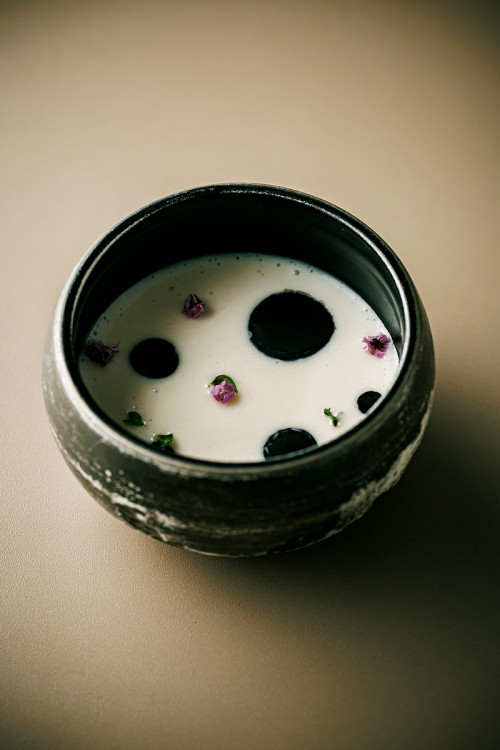
ブラックアンドホワイト
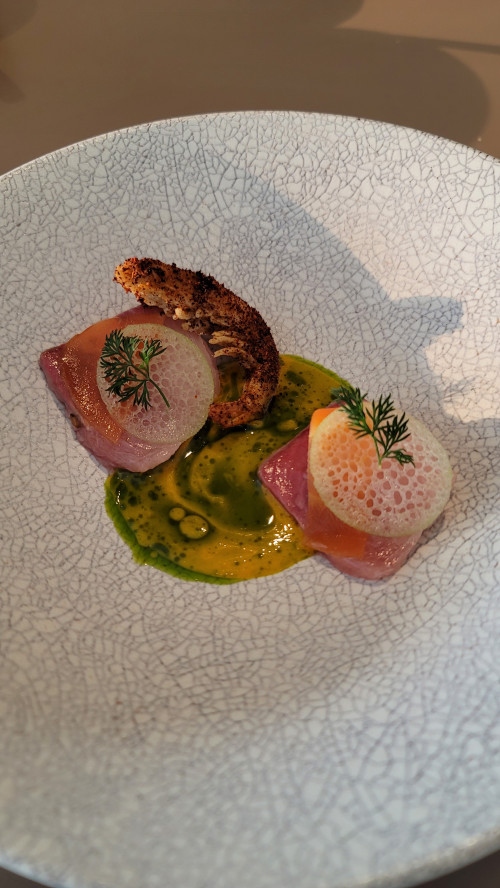
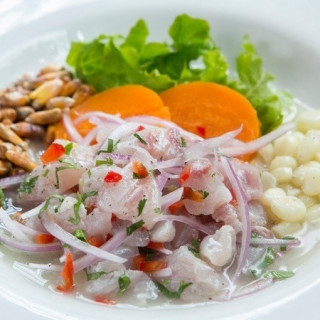
ブリのセビチェ
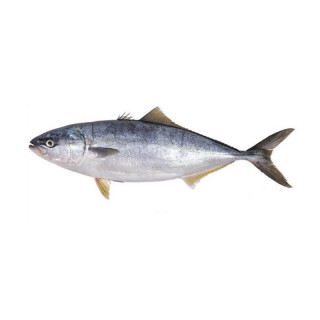
Buri (鰤), which belongs to the genus of yellowtail, is a representative winter fish. It is a complex character used in Chinese characters. It is a blue fish with red flesh widely used as a key ingredient in sushi. Along with Bushiri and Kanpachi which are also members of the yellowtail family, they are known as the three brothers of yellowtail. During winter, large yellowtail measuring over 1 meter in size and with high oil, content are considered premium and referred to as Kanburi (寒ブリ). They are not as popular during the summer. On the other hand, Bushiri is in season during the summer. Yellowtail is also considered a rising star in the fish market. In Kanto, the young yellowtail is called Inada, while in Kansai, it is called Hamachi. However, the yellowtail raised in Kansai is shipped to Kanto under the name Hamachi, so in Kanto, farmed yellowtail is referred to as Hamachi.
博多Gohりもん
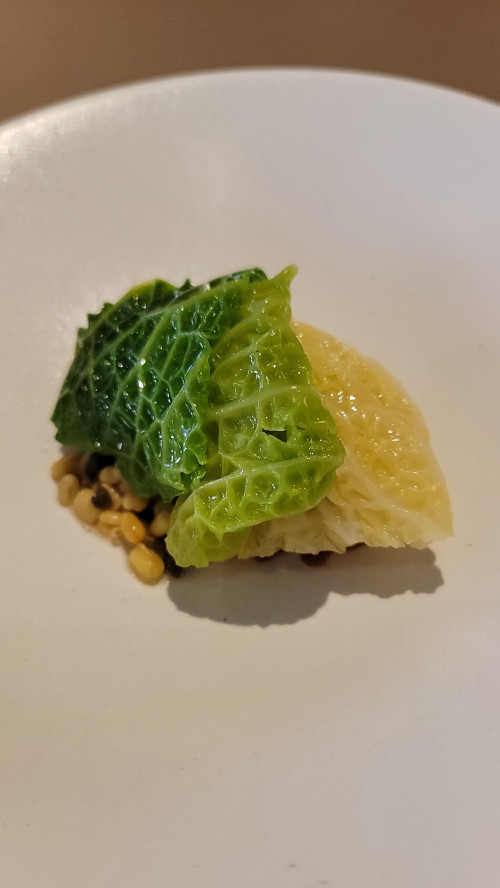
鰆 サボイキャベツ と ムング豆
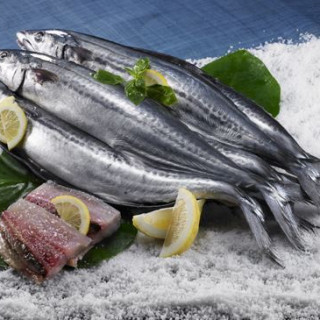
"鰆魚" in Japanese is also referred to as "鰆 (sawara)," which represents mackerel and greenish-blue fish. In Japanese, fish that change their names as they grow are called "出世魚 (shussegyo)," and the Pacific saury belongs to this category. Pacific saury measuring less than 50cm in length is called "サゴシ (sagoshi)" or "サゴチ (sagochi)," while those around 50-60cm are called "ナギ (nagi)" or "ヤナギ (yanagi)," and adults measuring over 60cm are referred to as "鰆 (sawara)." The Chinese character "鰆" is used to symbolize a fish that heralds spring. This is because Pacific saury gather along the coast to spawn during the spring season. The best season for sawara is not spring but rather from autumn to winter when it contains a higher amount of oil, making it especially delicious.
博多和牛のロースト、菜花みかん
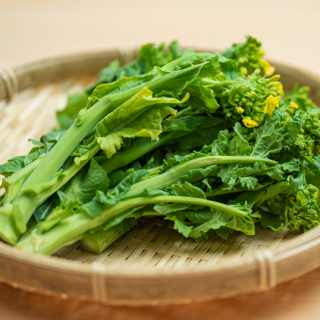
It refers to a cultivated variety of edible rapeseed flower. The variety grown for eating its flower stalks and buds is called "Nanohana" (菜の花), while the variety used for its leaves and stems is called "Nabana" (なばな). In Japan, flower buds are more commonly used in cooking than leaves and stems. Nanohana is often prepared as Ohitashi (Japanese-style boiled greens) or mixed with mustard dressing. It can also be stir-fried, and Nanohana Peperoncino (oil-based pasta) is a popular dish. It has the characteristic nutty and slightly bitter taste of the Brassicaceae family. Since the bitterness intensifies once the flowers bloom, it is used before flowering. It is considered a seasonal ingredient that signals the arrival of spring.
スパイシークラブカレー
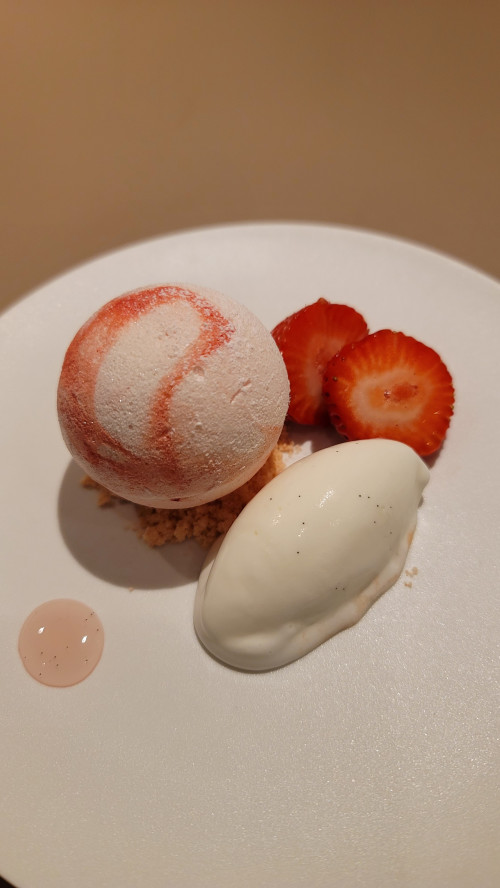
デザート